Catrin Menai
Catrin Menai
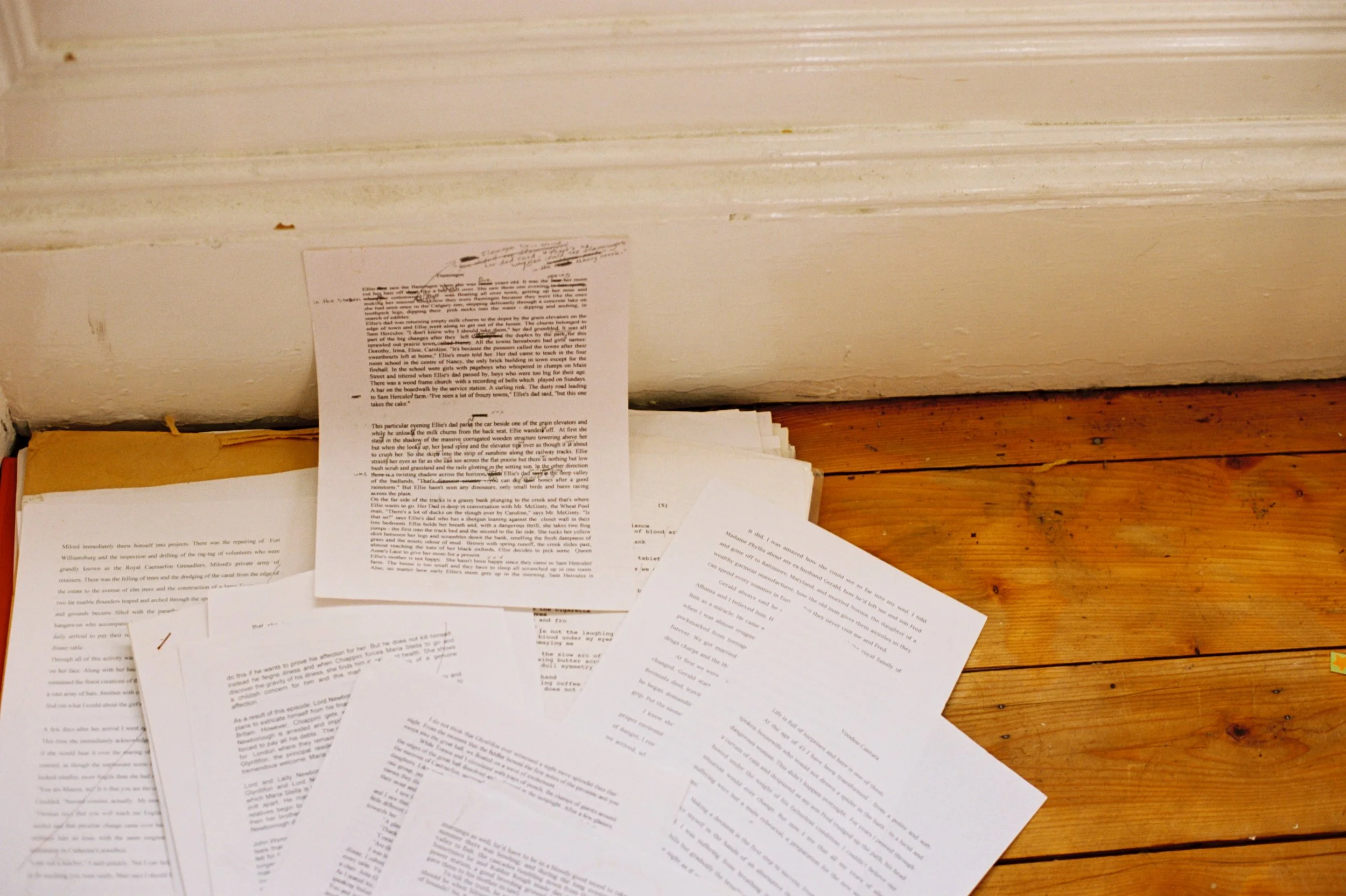
Gan weithio ar draws ffilm, ysgrifennu, a deunyddiau a geir (ac wedi'u seilio cymaint ar gyfarfyddiad damweiniol ag ar astudiaeth agos), rwy'n creu gweithiau sy'n cael eu gyrru gan naratif sy'n tynnu ar botensial cyfathrebol gwrthrychau, ystumiau a lleoedd bob dydd, wrth haenu darnau barddonol, gohebiaethau ac archifau i berfformio cyfres o alwadau ac ymatebion rhwng ieithoedd, cyfnodau a daearyddiaethau.
Mae fy ymarfer yn archwilio'r llais fel deunydd: ffordd o lunio gofod negyddol trwy iaith, sain ac ystum. Trwy adrodd ac ysgrifennu, rwy'n ymchwilio i sut y gellir mynegi absenoldeb, a sut y gallai'r llafar neu'r ysgrifenedig ddeffro ffurfiau corfforol nad ydynt yn bresennol mwyach.
Mae synwyrusrwydd ecolegol yn sail i'r gwaith, wedi'i lunio gan ddiddordeb yn yr hyn sy'n dod i'r amlwg pan fydd gwahanol ffurfiau o wybodaeth yn cwrdd â'i gilydd. Mae'n ystyried y perthnasoedd a'r cyfnewidiadau sy'n codi pan fydd dealltwriaethau ecolegol o le yn cwrdd â phrofiad ymgorfforol, byw - pan fydd ffyrdd o adnabod y tir yn croesdorri â chof a chanfyddiad synhwyraidd. Mae'r llais yn cael ei drin nid fel mynegiant unigol ond fel maes tonal a rennir: lleisiau sy'n gorgyffwrdd yn symud ar ymylon meddwl, rhwng anhryloywder y "fi" ac anhryloywder y "ni".
Rwy'n credu bod yna ffyrdd amrywiol o "wybod", ac mae fy ymarfer yn archwilio hyn trwy gasglu deunyddiau a gwybodaeth, gan ddefnyddio dulliau collage sy'n integreiddio sgwrs, delweddaeth a lleoedd gyda'i gilydd ar un plân. Rwy'n cyfeirio at y broses hon fel mapio cyffyrddol neu ofodol, tirwedd greadigol sy'n cyfeirio'n benodol at y dirwedd - ac yn ei hailweithio; gan ddefnyddio ffilmiau byr, recordiadau sain, ac ysgrifennu sy'n adlewyrchu ac yn cefnogi ei gilydd.
Ar hyn o bryd rwy'n ymgymryd â PhD cydweithredol rhwng Ysgol Gelf Aberystwyth a Gardd Fotaneg Genedlaethol Cymru, gan ganolbwyntio ar goreograffi adfer dolydd, gyda sylw arbennig i themâu absenoldeb ac adnewyddu trwy lensys mamolaeth ac adfer ecolegol.
Working across film, writing, and found materials (and grounded as much in chance encounter as in close study), I create narrative-driven works that draw on the communicative potential of everyday objects, gestures, and places, whilst layering poetic fragments, correspondences, and archives to perform a series of call-and-responses between languages, eras, and geographies.
My practice explores the voice as a material: a way of shaping negative space through language, sound, and gesture. Through narration and writing, I investigate how absence can be articulated, and how the spoken or written might evoke physical forms that are no longer present.
An ecological sensibility underpins the work, shaped by an interest in what emerges when different forms of knowledge encounter one another. It considers the relations and exchanges that arise when ecological understandings of place meet embodied, lived experience—when ways of knowing the land intersect with sensory memory and perception. The voice is approached not as an individual expression but as a shared tonal field: overlapping voices moving at the edges of thought, between the opacity of the “I” and the opacity of the “we.”
I believe there are varied ways of “knowing”, and my practice explores this through the gathering of materials and knowledge, using methods of collage that integrate conversation, imagery & places together on one plane. I refer to this process as tactile or spatial mapping, a creative terrain that explicitly references- and reworks- the landscape; using short films, audio recordings, and writing that mirror and support one another.
I am currently undertaking a collaborative PhD between the Aberystwyth School of Art and the National Botanic Garden of Wales, focusing on the choreography of meadow restoration, with particular attention to themes of absence and renewal through the lenses of mothering and ecological restoration.
Y sgrin o bellter
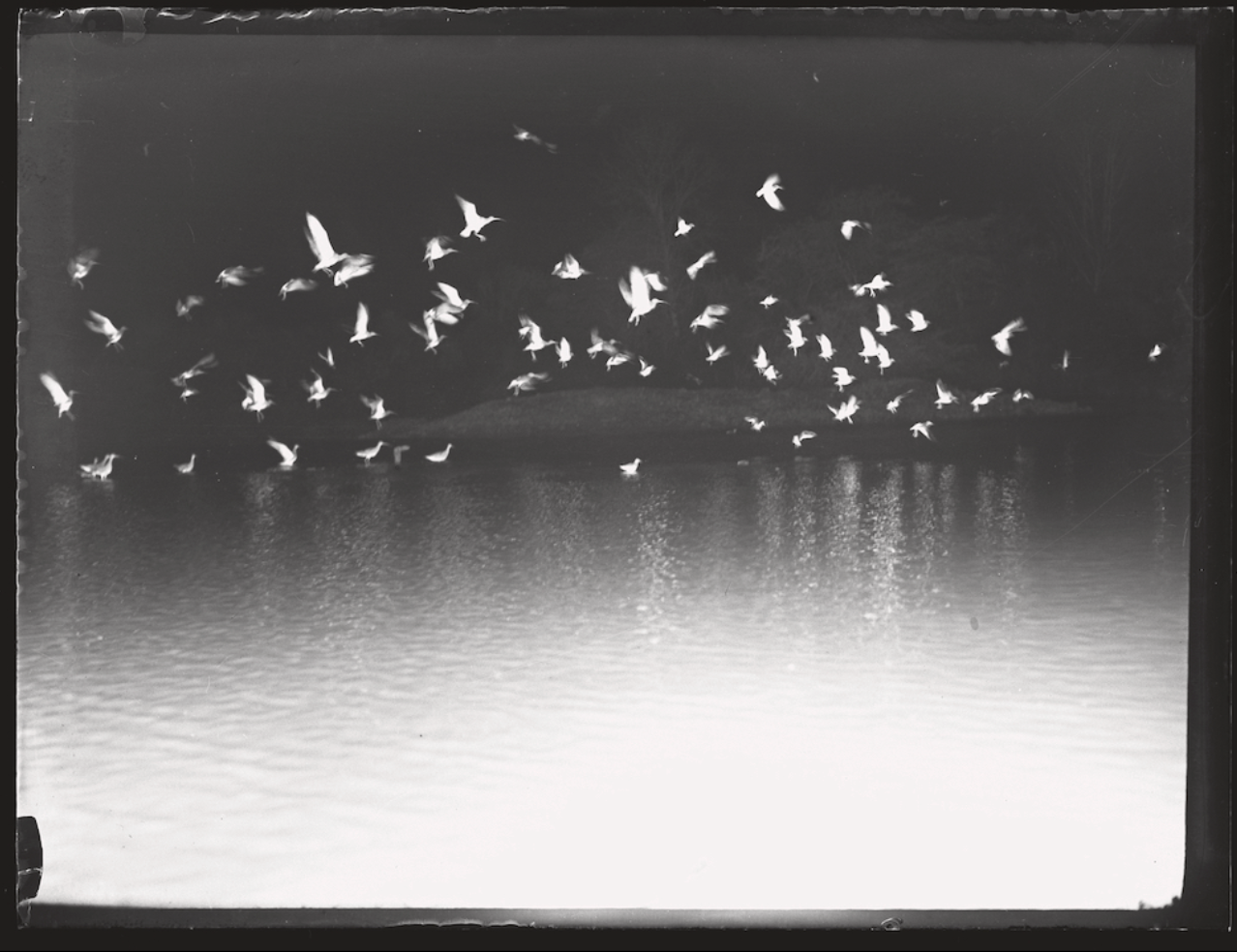
Yn ôl y traddodiad, roedd Sant Beuno, abad Cymreig o'r seithfed ganrif y dywedir ei fod yn gallu cerdded ar ddŵr, yn teithio ar draws Afon Menai pan ysgubodd gwynt sydyn ei lyfr pregethau i'r môr. Wrth iddo ei wylio'n suddo, dywedir bod y gylfinir wedi hedfan o'r lan, gan adfer y llyfr gyda'i big hir crwm a'i gario'n ddiogel yn ôl i'r tir. Mewn diolchgarwch, bendithiodd Sant Beuno yr aderyn, gan ddatgan y dylai ei nythod aros ynghudd ac wedi'u diogelu am byth.
Hyd heddiw, mae nythod y gylfinir yn parhau i fod yn anodd iawn i'w canfod. Eto, er bod yr aderyn yn parhau yn y stori hon fel ffigur o amddiffyniad a gwydnwch, mae ei ddyfodol yn gynyddol ansicr. Mae'r gylfinir Ewrasiaidd bellach wedi'i rhestru fel Bron Dan Fygythiad ar Restr Goch yr IUCN, gyda phoblogaethau'n dirywio o ganlyniad i golli cynefinoedd a newid amgylcheddol.
Gan dynnu ar syniadau o golled ac adnewyddu trwy ddelwedd Sant Beuno, mae'r gosodiad hwn yn ystyried sut y gellir mynegi absenoldeb, a sut y gall iaith lafar ac ysgrifenedig ddeffro ffurfiau, hanesion a phresenoldeb nad ydynt yn weladwy mwyach. Drwy ysgrifennu ac adrodd, ac ystyried dyfynnu fel gwaith o agosatrwydd, mae'r llais yn cael ei ystyried nid fel mynegiant unigol ond fel corws cyfunol a symudol - lleisiau sy'n gorgyffwrdd a chyfeiriadau cysylltiol sy'n symud trwy 'sgrin y pellter'.
Mae'r gwaith yn myfyrio ar natur beryglus mudo a goroesi, gan ystyried adar sy'n parhau i lywio llwybrau hynafol wrth chwilio am gynefinoedd nad ydynt efallai'n eu cynnal mwyach. Daw'r gylfinir yn bwynt perthynas rhwng adar eraill a syniadau am lwybrau bywyd dynol, a 'dal gwybodaeth' ar draws cenedlaethau.
Mae 'Sgrin y Pellter' yn symud sylw i ffwrdd o syniadau o barhad a "chofeboldeb" tuag at ffurfiau o fywyd, perthynas a chysylltiad sy'n parhau i fod mewn symudiad cyson. Mae'r gwaith yn gwahodd cynulleidfaoedd i edrych allan o'r ffenestr ac ystyried sut mae pensaernïaeth sefydlog castell yn bodoli mewn deialog â bywyd mudol bregus, a sut mae'r straeon rydyn ni'n eu hadrodd am le - neu ein bywydau ein hunain - yn helpu i lunio ei ddyfodol.
The screen of distance
According to tradition, St Beuno, a seventh-century Welsh abbot said to be able to walk on water, was travelling across the Menai Straits when a sudden gust of wind swept his book of sermons into the sea. As he watched it sink, a curlew is said to have flown from the shore, retrieving the book with its long curved beak and carrying it safely back to land. In gratitude, St Beuno blessed the bird, declaring that its nests should remain hidden and protected forever.
To this day, curlew nests remain notoriously difficult to find. Yet while the bird persists in this story as a figure of protection and resilience, its future is increasingly uncertain. The Eurasian curlew is now listed as Near Threatened on the IUCN Red List, with populations declining as a result of habitat loss and environmental change.
Drawing on ideas of loss and renewal through the image of St Beuno, this installation considers how absence might be articulated, and how spoken and written language can evoke forms, histories, and presences that are no longer visible. Through writing and narration, and considering citation as a work of intimacy, the voice is approached not as an individual expression but as a collective and shifting chorus- overlapping voices and associative references that move through 'the screen of distance'.
The work reflects on the precarious nature of migration and survival, considering birds that continue to navigate ancestral routes while searching for habitats that may no longer sustain them. The curlew becomes a point of relation between other birds and ideas of human life-paths, and ‘knowledge-holding’ across generations.
'The Screen of Distance' shifts attention away from ideas of permanence and “monumentality” towards forms of life, relation, and connection that remain in constant motion. The work invites audiences to look out of the window and consider how the fixed architecture of a castle exists in dialogue with fragile migratory life, and how the stories we tell about a place—or our own lives—help shape its future.